 Save to Pinterest
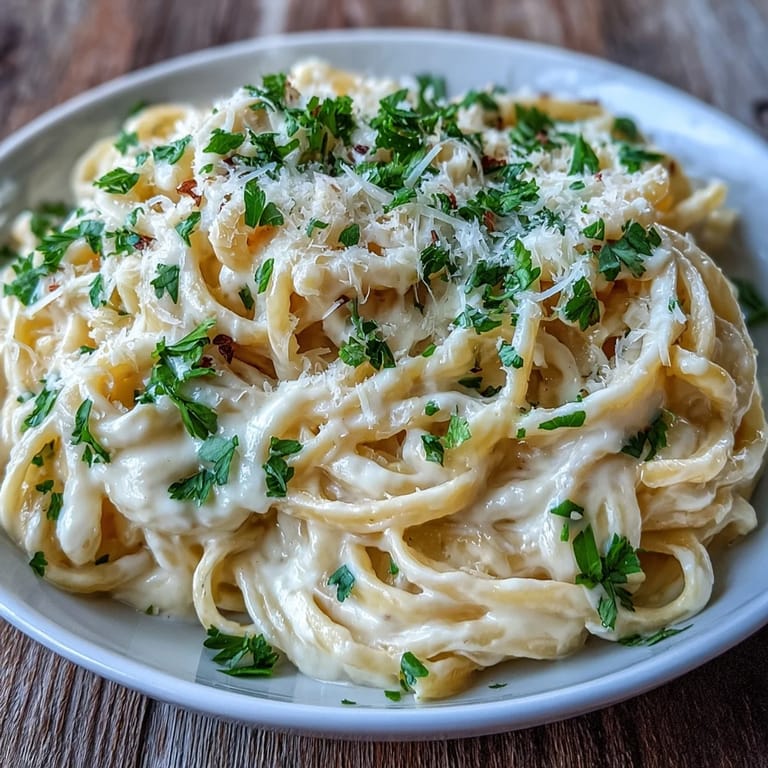
 My sister called me panicked one Thursday night, insisting she'd ruined pasta night by forgetting to buy cream. I laughed and told her to grab a head of cauliflower instead, remembering how a friend had once turned that humble vegetable into something silky and luxurious. Twenty minutes later, watching her twirl forkfuls of pasta coated in that velvety sauce, she admitted it tasted better than the original plan. That's when I realized: sometimes the best dishes emerge from what you don't have, not what you do.
Years ago at a dinner party, I served this to someone who'd just started avoiding heavy foods, and watching their face light up as they realized they weren't missing anything was genuinely moving. That moment shifted how I think about cooking for people with different needs—it's not about restriction, it's about opening doors. Now whenever someone mentions they're trying to eat lighter, this is my secret weapon.
Ingredients
- 1 medium head cauliflower, cut into florets (about 700 g): This is your foundation, and breaking it into florets helps it cook evenly and blend into something almost impossibly smooth.
- 3 cloves garlic, peeled: Don't skip this—garlic transforms from sharp to mellow when boiled, becoming almost sweet and anchoring the entire sauce.
- 1 small yellow onion, chopped: It dissolves completely into the sauce but adds a subtle depth that makes people ask what your secret ingredient is.
- 2 tablespoons unsalted butter: This keeps things rich without needing cream, and it emulsifies beautifully with the pasta water later.
- 1/3 cup grated Parmesan cheese (plus extra for serving): Use the good stuff if you can—it adds that umami punch that makes this taste restaurant-worthy.
- 1/2 cup milk (dairy or unsweetened plant-based): The blending magic happens here; milk creates body without heaviness, and plant-based versions work just as well.
- 350 g fettuccine or linguine: These shapes cradle the sauce better than thinner pastas, though honestly, whatever you have will work beautifully.
- 1 teaspoon salt, plus more to taste: Taste as you go—this is your control knob for balancing all the flavors.
- 1/2 teaspoon freshly ground black pepper: Freshly ground makes a real difference; pre-ground tastes a bit dusty by comparison.
- Pinch of ground nutmeg (optional): A whisper of nutmeg is what elevates this from good to people-asking-for-the-recipe good.
- Fresh parsley, chopped (optional): The pop of green isn't just pretty—it adds a fresh brightness that cuts through the richness.
Tired of Takeout? 🥡
Get 10 meals you can make faster than delivery arrives. Seriously.
One email. No spam. Unsubscribe anytime.
Instructions
- Boil the vegetables until they surrender:
- Fill your pot with salted water—it should taste like the sea—and bring it to a rolling boil. Drop in your cauliflower florets, garlic cloves, and chopped onion together, and let them bubble away for 8 to 10 minutes until a fork slides through the cauliflower with zero resistance.
- Scoop and transfer to the blender:
- Using a slotted spoon, fish out all those soft vegetables and let them drip briefly before adding them to your blender. Keep that cooking water in the pot—you'll need it in a moment.
- Blend into silk:
- Add the butter, Parmesan, milk, salt, pepper, and that optional pinch of nutmeg to the blender with your vegetables. Blend on high until the mixture is completely smooth and creamy, stopping to scrape the sides if needed. If it looks too thick, splash in a little of that reserved cooking water and blend again.
- Cook the pasta while flavors meld:
- Back in the same pot (no extra dishes to wash later, you're welcome), cook your fettuccine or linguine according to the package directions until it's al dente. Before draining, scoop out about 1 cup of that starchy pasta water and set it aside—this is your secret weapon for silky sauce.
- Toss everything together:
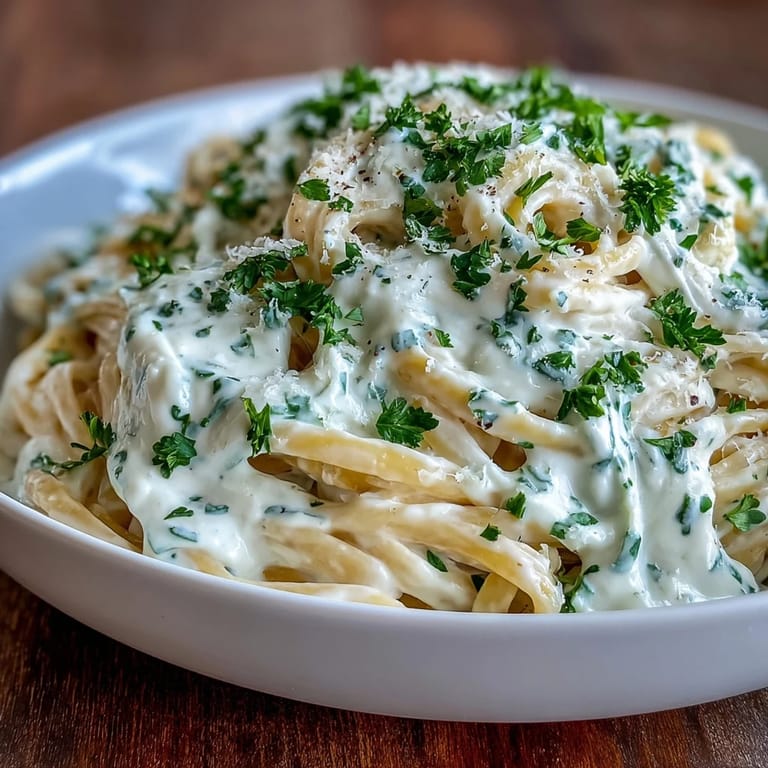
- Return the drained pasta to the pot and pour that beautiful cauliflower sauce over it. Toss gently but thoroughly, adding splashes of pasta water as you go until the sauce reaches that creamy, coat-every-strand consistency you're imagining.
- Taste, adjust, and serve:
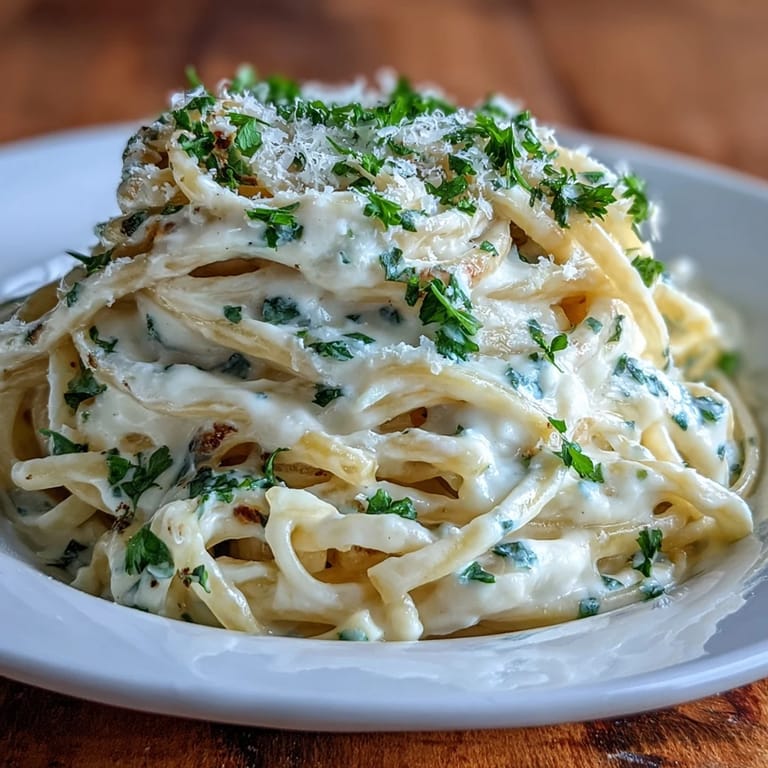
- Do a final taste check and add more salt or pepper if it needs it. Serve immediately while it's hot, scattered with fresh parsley and extra Parmesan if you're feeling generous.
 Save to Pinterest
 One rainy Sunday, I made this for someone dealing with a lot, and they told me later that the simplicity of it—the way it tasted like comfort without pretense—helped them feel a little less alone that week. Food does that sometimes, becomes more than nutrition or technique; it becomes a small gesture that says someone cared enough to cook.
Swapping In Your Favorites
This sauce is actually a blank canvas waiting for your touches. I've thrown in roasted mushrooms, steamed broccoli, sun-dried tomatoes, and even crispy pancetta without changing the soul of the dish. The base is so forgiving that you can treat it like a starting point rather than a rulebook—add whatever vegetables you have hiding in your fridge or whatever mood you're in.
Making It Work for Everyone
The beauty of this recipe is how adaptable it is to different needs and preferences. For a vegan version, swap in plant-based butter and milk, then use nutritional yeast or cashew cream instead of Parmesan—I've done this at least a dozen times and nobody ever notices they're eating vegetables. If gluten is an issue, use gluten-free pasta without changing a single other thing. The sauce doesn't care what starch you pair it with, honestly.
The Small Touches That Matter
I learned the hard way that nutmeg should come in as a whisper, not a shout—a whole teaspoon would turn this into pumpkin pie territory, so please do go light on it. Fresh parsley isn't just decoration; it actually changes how the dish tastes by adding that bright, herbal note that makes your palate feel refreshed between bites. The magic also happens in that final adjustment of seasoning, so always taste before serving and don't be afraid to add another pinch of salt if it needs it.
- Let the sauce sit off heat for a minute before serving so it settles and coats better.
- If you're making this ahead, reheat it gently with a splash of milk rather than at high heat, which can make it separate.
- Leftovers actually get creamier in the fridge, so save some—it reheats beautifully the next day.
 Save to Pinterest
 This dish taught me that the best comfort food isn't always what you grew up with—sometimes it's something you create because you needed it in that moment. I hope it becomes as reliable and beloved in your kitchen as it's become in mine.
Recipe Questions & Answers
- → What does cauliflower Alfredo taste like?
The sauce is remarkably creamy and savory with a mild, slightly sweet vegetable undertone. The Parmesan and garlic create that familiar Alfredo profile while the cauliflower provides body without heaviness.
- → Can I make this sauce ahead of time?
Absolutely. The blended sauce keeps well in the refrigerator for up to 3 days. Reheat gently with a splash of milk or water to restore creamy consistency before tossing with freshly cooked pasta.
- → Is this sauce truly smooth?
When blended thoroughly, the sauce becomes completely velvety with no vegetable texture remaining. A high-speed blender works best, though a food processor will also achieve excellent results.
- → What pasta shapes work best?
Fettuccine and linguine are traditional choices that allow the sauce to coat beautifully. However, penne, rigatoni, or even spaghetti work wonderfully for capturing that creamy texture in every bite.
- → How do I store leftovers?
Store assembled pasta in an airtight container for up to 3 days. The sauce may thicken when refrigerated—simply add a splash of water or milk when reheating to bring back the luxurious consistency.
- → Can I freeze cauliflower Alfredo?
The sauce freezes beautifully for up to 3 months. For best results, freeze sauce separately from pasta, then thaw overnight in the refrigerator and reheat gently before tossing with freshly cooked noodles.