 Save to Pinterest
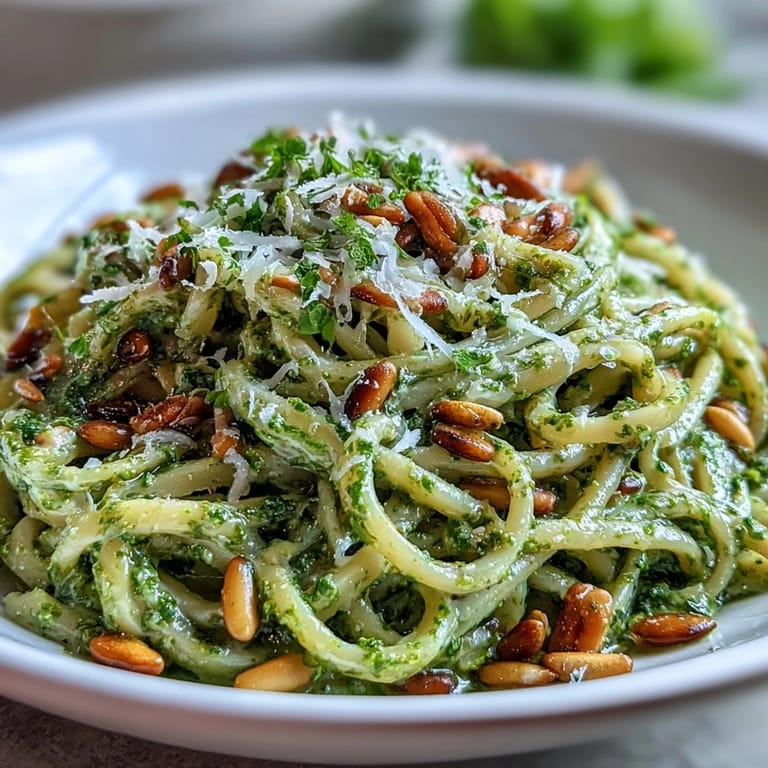
 I discovered sunflower seed pesto by accident on a Tuesday afternoon when my basil plant had exploded into an impossible abundance and my pantry was running low on pine nuts. Standing in front of my food processor, I grabbed a handful of sunflower seeds instead, toasted them quickly, and something magical happened—a pesto emerged that was creamier, nuttier, and somehow more forgiving than the traditional version. That first bowl of pasta changed how I think about substitutions in the kitchen.
The first time I made this for my sister, she sat down, took one bite, and asked if I'd finally lost my mind trying to make pesto without pine nuts. By the third forkful, she was quiet in that particular way that means the food has won her over completely. She asked for the recipe that night, and I knew I'd stumbled onto something that actually worked.
Ingredients
- Unsalted sunflower seeds (1 cup): Toast these yourself rather than buying pre-toasted—the difference in flavor is worth those few minutes, and you'll know exactly when they're golden and fragrant.
- Fresh basil leaves, packed (2 cups): Don't pack them down so hard they bruise; gentle is better, and room-temperature basil makes a smoother pesto than cold straight from the fridge.
- Garlic (2 cloves): Two cloves is generous, so taste as you go if you're garlic-sensitive, and remember that raw garlic intensifies slightly as it sits.
- Grated Parmesan cheese (1/2 cup): Freshly grated matters here because pre-grated cheese contains anti-caking agents that make the pesto slightly grainy.
- Extra virgin olive oil (1/2 cup): This is where quality shows, so use something you'd actually want to drizzle on bread.
- Water (1/4 cup, plus more as needed): Start with this amount and adjust—different food processors release moisture differently, and you're aiming for creamy, not soup.
- Lemon juice (2 tablespoons): Fresh lemon keeps everything bright and prevents the basil from turning dark during storage.
- Salt and black pepper (1/4 teaspoon each): Season in layers rather than all at once; you'll have better control over the final taste.
- Dried pasta (400 g): Choose whatever shape you love—I tend toward spaghetti because the sauce clings beautifully to the strands.
- Heavy cream or plant-based alternative (1/2 cup): This is what transforms pesto from bright and herbal into something silky and luxurious.
Tired of Takeout? 🥡
Get 10 meals you can make faster than delivery arrives. Seriously.
One email. No spam. Unsubscribe anytime.
Instructions
- Boil the pasta:
- Bring a large pot of generously salted water to a rolling boil and add your pasta, stirring occasionally to prevent sticking. Cook according to package directions until al dente, then reserve half a cup of that starchy water before draining—this is your secret weapon for adjusting the sauce later.
- Toast the sunflower seeds:
- While pasta cooks, pour sunflower seeds into a dry skillet and toast over medium heat, shaking the pan every minute or so for about 3 to 4 minutes until they smell toasty and look golden. You'll know they're ready when the aroma fills your kitchen and a few seeds are just barely turning brown.
- Build the pesto:
- Combine the cooled seeds, basil, garlic, Parmesan, olive oil, lemon juice, salt, and pepper in your food processor and pulse until the mixture looks like coarse sand with tiny flecks of green. Scrape down the sides a few times as you go, then add water and blend until everything becomes smooth and creamy, stopping to taste and adjust as needed.
- Toss it all together:
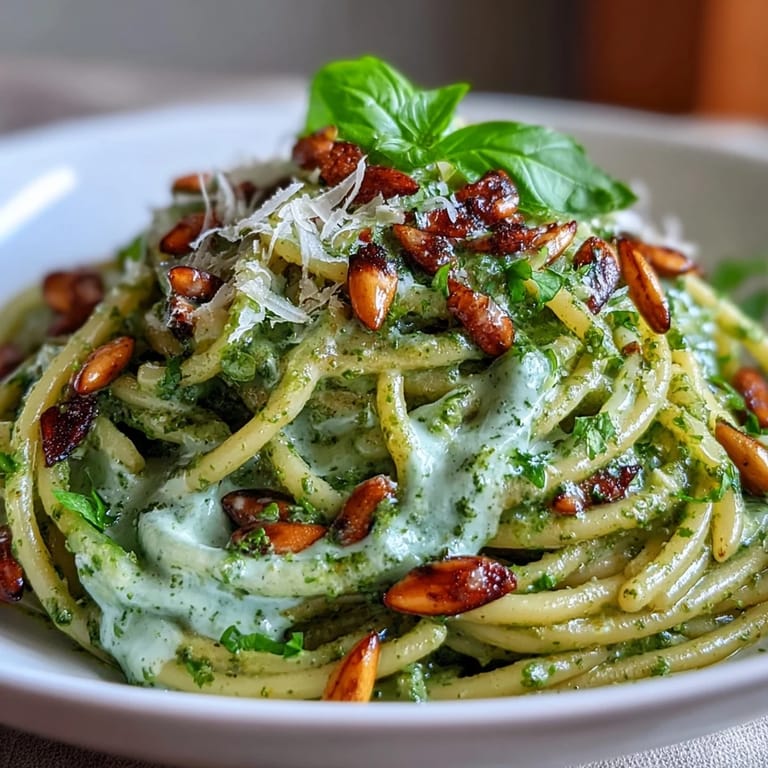
- Return your drained pasta to the pot over low heat, add the pesto and cream, and gently toss until every strand or piece is coated in that gorgeous green sauce. Add reserved pasta water a splash at a time, tossing between additions, until the sauce feels silky and coats the pasta without pooling at the bottom.
- Season and serve:
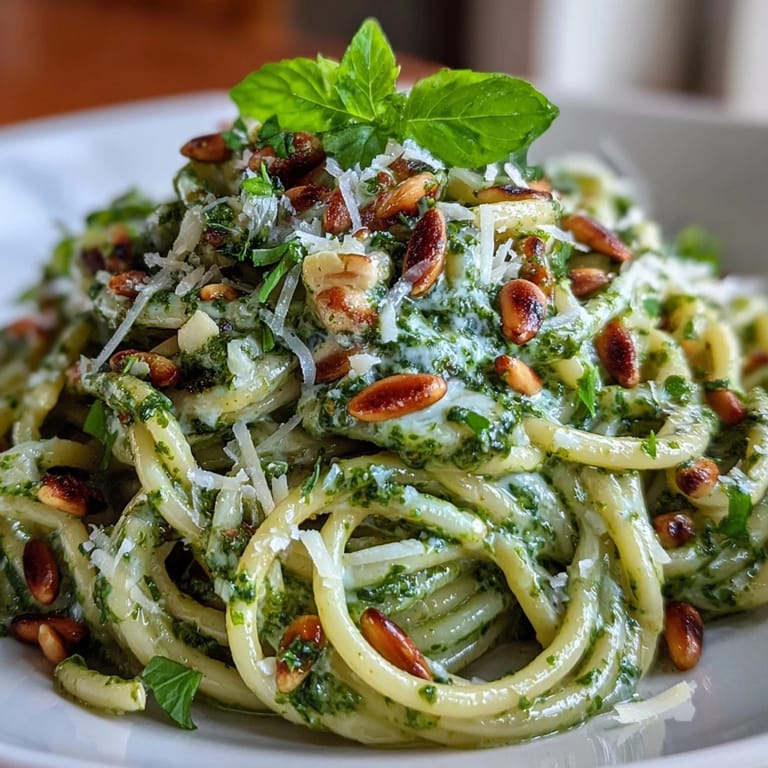
- Take a taste and adjust salt, pepper, or lemon juice if you feel it needs brightness or depth. Plate immediately while everything is warm and creamy, finishing with a shower of fresh Parmesan and a few torn basil leaves if you have them.
 Save to Pinterest
 My favorite moment with this dish came on a rainy evening when I made it for friends who'd shown up unannounced. I opened my fridge, found the basil, the cream, and a container of toasted sunflower seeds I'd prepared days before, and suddenly had dinner for four that tasted like I'd been planning it all week. That's when I knew this recipe wasn't just practical—it was actually generous in spirit.
Why Sunflower Seeds Work So Well
Sunflower seeds bring a natural sweetness and richness that traditional pine nuts can overshadow sometimes. They're also sturdy enough to hold their flavor when toasted, and they blend into a pesto that feels luxurious without requiring a second mortgage. Once you've made it this way, going back to pine nuts starts to feel unnecessarily complicated.
Making It Your Own
This pesto base is genuinely flexible—I've added everything from roasted cherry tomatoes to fresh spinach without breaking it. The cream softens everything beautifully, so even when you improvise, the dish maintains that silky comfort that makes it special. Think of it as a canvas where your pantry tells the story rather than a strict rule to follow exactly.
Storage and Meal Planning
The pesto keeps in an airtight container in the refrigerator for about four days, and honestly, it's wonderful to have on hand for quick meals. You can make the sauce ahead and warm it gently with cream just before serving, which makes this recipe genuinely practical for busy weeks. When you're standing in your kitchen tired and hungry, knowing you have homemade pesto waiting is a small luxury.
- Freeze leftover pesto in ice cube trays to use in soups, on vegetables, or with eggs throughout the month.
- Make extra toasted sunflower seeds and store them in an airtight container for snacking or sprinkling on salads.
- This pasta reheats gently in a skillet with a splash of cream or pasta water, staying silky rather than drying out.
 Save to Pinterest
 This dish proved to me that sometimes the best recipes come from working with what you have rather than what the cookbook demands. It's become my go-to when I want dinner to feel intentional without the fuss.
Recipe Questions & Answers
- → Why use sunflower seeds instead of pine nuts?
Sunflower seeds cost significantly less than pine nuts while providing a lovely nutty flavor and creamy texture. They're more accessible and still deliver that signature pesto richness without straining your budget.
- → Can I make this dish dairy-free?
Absolutely. Replace the Parmesan with nutritional yeast for umami flavor and use unsweetened plant-based cream instead of heavy cream. The pesto will still be creamy and satisfying.
- → How long does the sunflower seed pesto keep?
Store leftover pesto in an airtight container in the refrigerator for up to one week. You can also freeze portions in ice cube trays for up to three months—just thaw and toss with hot pasta.
- → What pasta shapes work best?
The pesto sauce clings beautifully to ridged shapes like penne, fusilli, or gemelli. Spaghetti and linguine also work wonderfully, trapping the creamy sauce in their strands for each satisfying bite.
- → Can I add vegetables to this dish?
Certainly. Sautéed spinach, roasted cherry tomatoes, blanched green beans, or frozen peas would all complement the basil pesto beautifully. Add them during the final tossing step so they warm through without overcooking.
- → Is toasting the sunflower seeds necessary?
Toasting isn't strictly required, but it deepens the seeds' natural nuttiness and adds subtle complexity to the pesto. The extra 3–4 minutes makes a noticeable difference in the final flavor profile.