 Save to Pinterest
 My neighbor knocked on the door one evening holding a bagful of lemons from her tree, insisting I take them before they went bad. I had a half-empty tub of ricotta in the fridge and a box of spaghetti in the pantry, so I tossed them together with some Parmesan and called it dinner. The brightness of that first bite, tangy and creamy at once, made me forget I'd been improvising. It's been my go-to ever since when I want something that feels special but comes together faster than I can set the table.
I made this for my sister the night before she moved across the country, and we sat on the kitchen floor with our bowls because all the furniture was already packed. She said it tasted like sunshine, which made me laugh because it was pouring rain outside. But she was right—there's something about the lemon zest that lifts your mood, even when you're saying goodbye. Now every time I make it, I think of her texting me photos of her attempts to recreate it in her new apartment.
Ingredients
- Spaghetti (350 g): Use good-quality dried pasta because its texture holds the creamy sauce better than fresh, and don't skip salting the water generously—it's your only chance to season the noodles from the inside out.
- Kosher salt (1 tbsp): This goes into the boiling water to make sure your pasta doesn't taste flat, and kosher salt dissolves faster than table salt without leaving a metallic taste.
- Ricotta cheese (250 g): Whole-milk ricotta is worth it here because it creates a silkier, richer sauce, and if yours looks watery, let it drain in a fine-mesh sieve for a few minutes before using.
- Lemon (1 large): Zest it first before juicing so you don't wrestle with a slippery, juiced lemon, and use a microplane to get fine, fragrant zest without the bitter white pith.
- Parmesan cheese (40 g): Freshly grated makes all the difference because pre-shredded stuff has anti-caking agents that can make your sauce grainy instead of smooth.
- Extra-virgin olive oil (2 tbsp): A fruity, good-quality oil adds a subtle richness and helps the sauce coat the pasta evenly without breaking.
- Garlic (1 small clove): Grate it finely so it melts into the sauce rather than sitting in chunky bits, and use less if you're sensitive to raw garlic's sharpness.
- Black pepper and sea salt (1/4 tsp each): Freshly ground pepper has a floral heat that complements the lemon, and sea salt brings out the sweetness in the ricotta without making it taste salty.
- Fresh basil or parsley (2 tbsp): Basil is sweeter and more aromatic, parsley is brighter and cleaner—I usually choose based on what's still alive in my herb pot on the windowsill.
Tired of Takeout? 🥡
Get 10 meals you can make faster than delivery arrives. Seriously.
One email. No spam. Unsubscribe anytime.
Instructions
- Boil the pasta:
- Fill a large pot with water, add the tablespoon of kosher salt, and bring it to a rolling boil before adding the spaghetti. Cook until al dente, usually a minute less than the package says, and don't forget to scoop out half a cup of that starchy pasta water before you drain—it's the secret to making the sauce cling.
- Make the ricotta-lemon sauce:
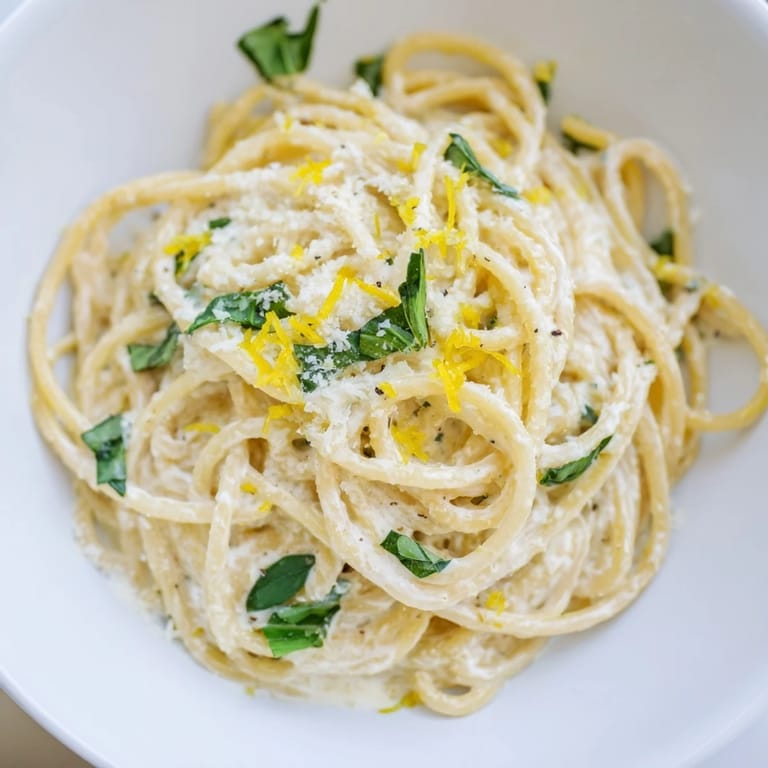
- In a big mixing bowl, whisk the ricotta, lemon zest, lemon juice, Parmesan, olive oil, grated garlic, pepper, and salt until it's smooth and looks almost like a thick, tangy cream. Taste it now and adjust the lemon or salt if you want more brightness or depth.
- Toss the pasta:
- Add the hot drained spaghetti directly into the bowl with the ricotta mixture and toss it with tongs, adding splashes of reserved pasta water a little at a time until the sauce loosens and coats every strand in a glossy, creamy layer. The heat from the pasta will warm the sauce and make everything come together beautifully.
- Plate and garnish:
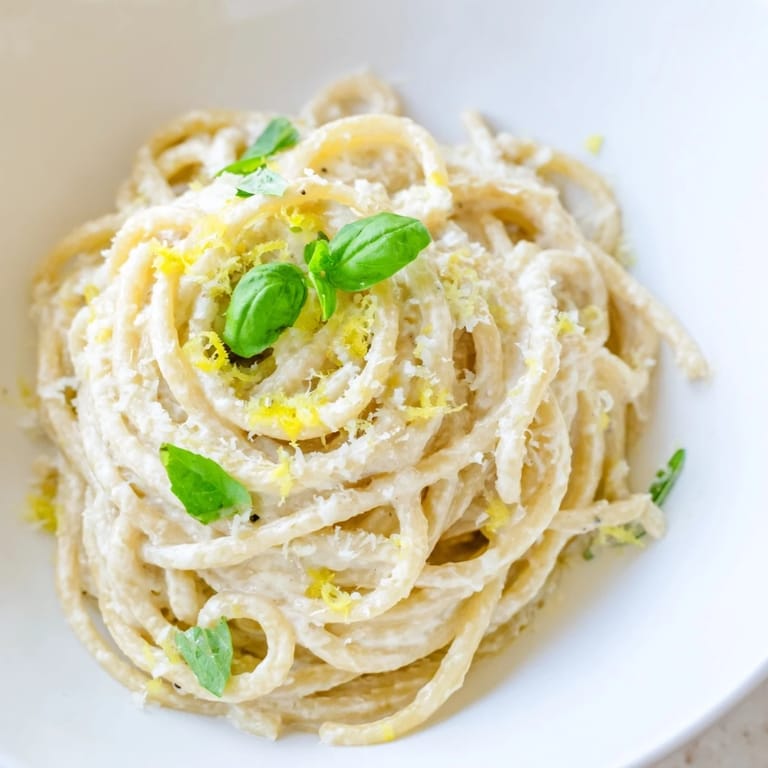
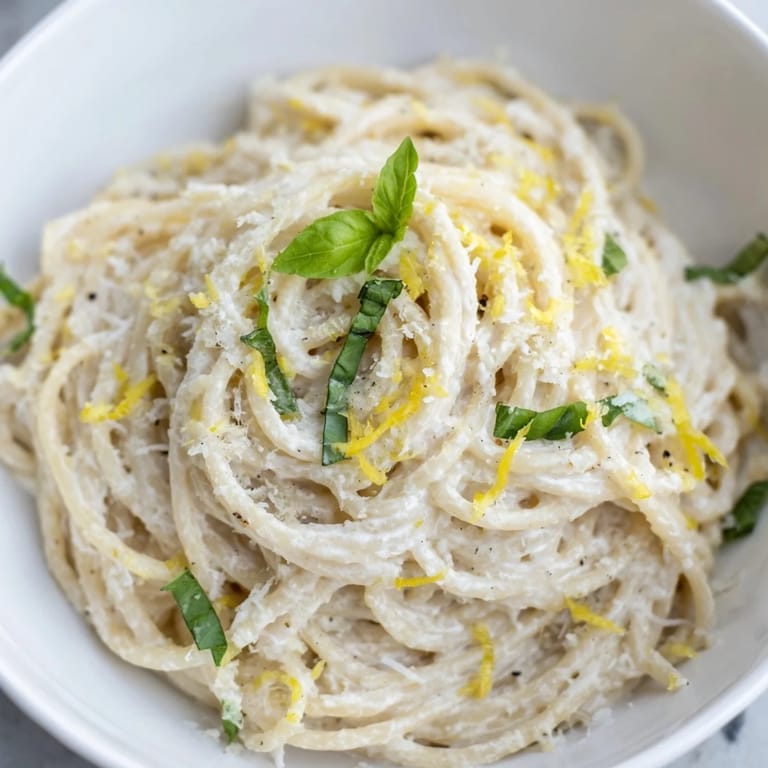
- Divide the pasta among four bowls, then top each with extra Parmesan, a sprinkle of fresh herbs, a little more lemon zest, and a few grinds of black pepper. Serve it immediately while it's still steaming and the sauce is at its creamiest.
 Save to Pinterest
 The first time I served this to my book club, one of the women asked for the recipe three times before the night was over because she couldn't believe something so simple tasted so elegant. Another friend admitted she'd never bought ricotta for anything other than lasagna, and now she keeps a tub in her fridge just in case. Watching people's faces light up over a dish I threw together on a whim reminded me that the best recipes aren't always the ones that take all day—they're the ones that make people feel cared for without you having to stress in the kitchen.
Storage and Reheating
Leftovers keep in an airtight container in the fridge for up to two days, though the sauce will thicken as it sits and the pasta will soak it up like a sponge. When you reheat it, add a splash of milk or pasta water and warm it gently in a skillet over low heat, stirring often so the ricotta doesn't separate. I won't lie—it's never quite as luxurious as when it's fresh, but it still makes a decent lunch if you're not too picky.
Variations to Try
If you want to make this heartier, toss in some sautéed spinach, blanched asparagus, or sweet peas right before serving—they add color and a little vegetal sweetness without overwhelming the lemon. For a richer version, stir in a spoonful of mascarpone or a splash of heavy cream with the ricotta, which makes the sauce taste almost like a lemon cheesecake. I've also made this with whole wheat pasta when I'm trying to feel virtuous, and it works surprisingly well because the nuttiness complements the Parmesan.
Serving Suggestions
This pasta feels light and fresh, so I like to keep the sides simple—a crisp green salad with a lemony vinaigrette, some crusty bread to soak up any extra sauce, or roasted cherry tomatoes if I want a little burst of sweetness on the side. A chilled glass of Sauvignon Blanc or Pinot Grigio is perfect because the acidity mirrors the lemon and cuts through the richness of the ricotta.
- Pair it with a simple arugula salad dressed in olive oil and a squeeze of lemon for a light, cohesive meal.
- Serve it alongside garlic bread or focaccia if you want something more filling and carb-happy.
- For a weeknight shortcut, buy a rotisserie chicken and shred some of the meat into the pasta for added protein.
 Save to Pinterest
 There's something generous about a recipe that doesn't ask much of you but gives back so much flavor and comfort. I hope this one becomes your answer to those nights when you want to feel like you cooked something beautiful without spending hours in the kitchen.
Recipe Questions & Answers
- → Can I make this sauce ahead of time?
Yes, prepare the ricotta mixture up to 4 hours ahead and refrigerate. Let it come to room temperature before tossing with hot pasta for best results.
- → What pasta water does for this dish?
Starchy pasta water emulsifies the ricotta sauce, creating a silky coating that clings to each strand. Add gradually until you achieve desired consistency.
- → How do I prevent the ricotta from curdling?
Ensure the ricotta is at room temperature before mixing, and add it to the hot pasta gently while tossing continuously. The starch in pasta water helps stabilize the sauce.
- → What are good protein additions?
Pan-seared shrimp, grilled chicken, crispy pancetta, or white beans work beautifully. Add them after cooking the pasta for balanced nutrition.
- → Which wines pair best with this dish?
Crisp white wines like Sauvignon Blanc, Pinot Grigio, or Vermentino complement the bright lemon notes and creamy sauce perfectly.
- → Can I use store-bought lemon juice?
Fresh lemon juice provides superior flavor and brightness. If using bottled, reduce quantity slightly as it's often more acidic and concentrated than fresh.