 Save to Pinterest
 Sliding a tray of dandelion honey scones into the oven one misty spring morning, I caught the faint scent of honey drifting through the kitchen. I wasn't sure about adding dandelion honey at first, but its delicate sweetness whisked away any doubts. My neighbor stopped by just as I was mixing the dough, and we laughed about the stubborn butter clumps—apparently, they're essential for that tender, crumbly bite. The buzz of conversation and the soft thump of the round cutter made the whole process feel almost meditative. Few moments in the kitchen match the anticipation of seeing golden scones swell in the oven.
One rainy afternoon, I made these scones for a group of friends visiting from out of town. We squeezed into my tiny kitchen, with the kettle whistling and crumbs scattered everywhere, everyone reaching for another warm scone slathered in cream. Having extra dandelion honey around meant we dipped and drizzled to our hearts’ content. Someone spilled the milk, but it turned into a round of giggles and our tea tasted all the better for it. Baking these feels like hosting a tea party, even if it's just you at the table.
Ingredients
- All-purpose flour: The backbone of tender scones; sift before measuring for fluffier results.
- Granulated sugar: Just enough to bring out the honey's flavor without overpowering it.
- Baking powder: Helps the scones rise dramatically—always check it's fresh for the best lift.
- Fine sea salt: A pinch balances the sweetness and sharpens the flavors.
- Cold unsalted butter, cubed: Keeping the butter cold and chunky gives scones those sought-after layers.
- Dandelion honey (or mild-flavored honey): A gentle floral twist; warm slightly if it's thick for easy mixing.
- Whole milk: Creates a rich, moist crumb—use straight from the fridge for best results.
- Large egg: Binds all the ingredients and adds extra richness.
- Dandelion honey, to serve: Drizzling the scones brings fresh sweetness in each bite.
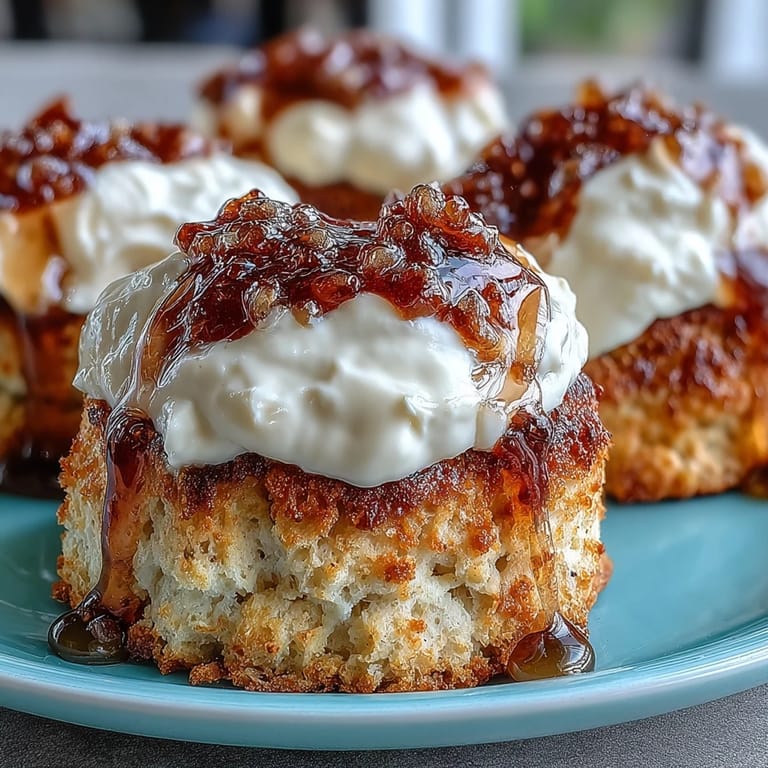
- Clotted cream: Essential for a classic British tea treat; substitute only if you must.
Tired of Takeout? 🥡
Get 10 meals you can make faster than delivery arrives. Seriously.
One email. No spam. Unsubscribe anytime.
Instructions
- Get the Oven Ready:
- Preheat your oven to 400°F (200°C) and line a baking sheet with parchment paper, letting the anticipation build as the kitchen warms.
- Mix the Dry Ingredients:
- In a roomy bowl, whisk flour, sugar, baking powder, and salt until airy and perfectly blended.
- Work in the Butter:
- Add cold, cubed butter and rub it in with a pastry blender or your fingertips until the mix looks like coarse breadcrumbs—cold hands help keep the butter from melting.
- Combine the Wet Ingredients:
- In a separate bowl, whisk honey, milk, and egg until you see a silky, golden liquid.
- Bring the Dough Together:
- Pour the wet mix into the dry and stir gently with a fork or spatula—stop as soon as it starts holding together to keep scones tender.
- Shape the Dough:
- Turn the dough onto a lightly floured surface and pat into a 1-inch-thick round, feeling it spring back under your palm.
- Cut the Scones:
- Use a 2.5-inch round cutter to press out scones, placing them gently on the prepared baking sheet; gather scraps and repeat for extra scones.
- Brush and Bake:
- Brush each top lightly with milk, then slide into the oven. Bake for 12–15 minutes until the scones are risen and golden brown.
- Cool and Serve:
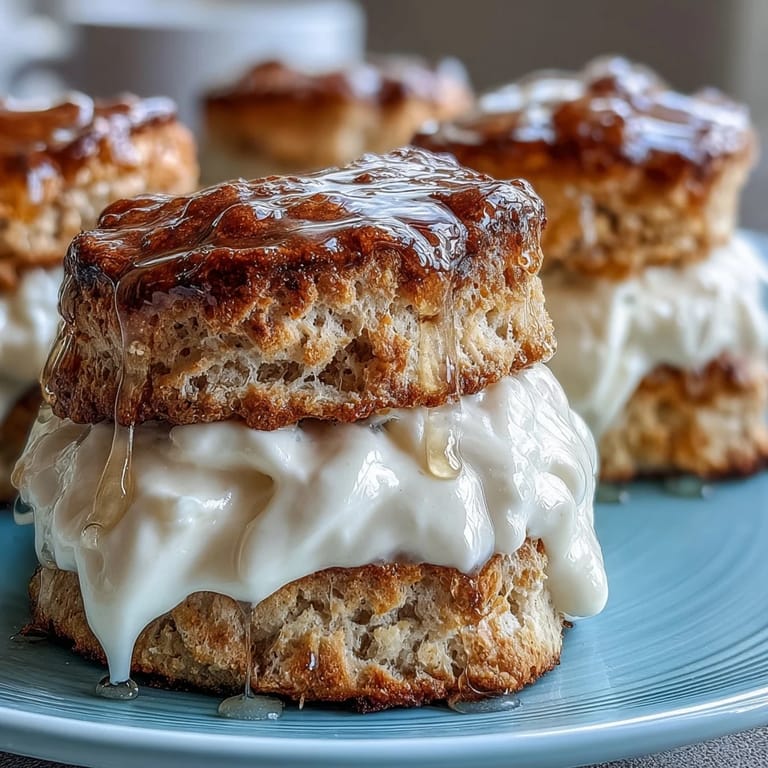
- Transfer scones to a wire rack, then serve warm or at room temperature with generous clotted cream and a drizzle of honey.
 Save to Pinterest
 When I served these scones at a spring garden brunch, conversation stopped for a moment as everyone took their first bite. After that, laughter filled the air as we shared stories and passed the honey and cream around—these scones opened a window to joy, not just flavor.
Mastering Scone Texture Is Worth It
I learned that working quickly and keeping ingredients very cold is the trick to that classic delicate, crumbly interior. If the butter starts to melt too soon, the scones lose their signature flakiness. My hands always get a little chilly, but the results speak for themselves. Even a little unevenness in the dough makes for characterful, rustic scones. The best ones look irregular and taste heavenly.
Choosing Your Honey Makes a Difference
Dandelion honey brings subtle floral notes, but I've sometimes used acacia or wildflower honey if it's all I had in the cupboard. Each swap changes the scones’ personality, so feel free to experiment to find your favorite. Warming the honey (just a bit!) makes mixing cleaner, especially if it’s on the thick side. My friend once brought local honey from her farmer's market—it transformed the batch with a fragrant aroma. That's the beauty of baking with honey: every scone reflects the season.
Spring Scone Serving Suggestions
To make the scones feel even more festive, serve them on mismatched plates and tuck edible flower petals alongside for decoration. If clotted cream is out of reach, thick Greek yogurt or mascarpone are surprisingly good stand-ins. Sometimes I let guests drizzle their own honey so everyone gets just the right amount. With a pot of strong black tea, these scones turn an ordinary afternoon into something special.
- Add a pinch of dried dandelion petals to the dry mix for extra floral flair if you find them.
- Scones taste best fresh—if storing, pop them in a warm oven for a few minutes before serving.
- Check honey labels carefully if you're cooking for someone with allergies.
 Save to Pinterest
 However you serve them, dandelion honey scones bring a sense of occasion to your table. I hope they become as much a treat in your kitchen as they've been in mine.
Recipe Questions & Answers
- → How do I ensure the scones stay tender?
Handle the dough gently and avoid overmixing. Cold butter helps achieve a flaky result.
- → Can I use regular honey instead of dandelion honey?
Yes, mild-flavored honey works well if dandelion honey is unavailable.
- → What can I use if clotted cream is hard to find?
Substitute with thick crème fraîche or mascarpone for a similar creamy texture.
- → How should these scones be served?
They are best served warm, topped with clotted cream and a drizzle of dandelion honey.
- → Are there any allergen concerns?
These include wheat, dairy, and egg. Check honey and cream packaging for traces of allergens.
- → Can I add any floral elements?
Yes, adding dried dandelion petals gives the scones a gentle floral note.
- → How long do scones stay fresh?
Store in an airtight container for up to two days; they are best enjoyed fresh.