 Save to Pinterest
 My nonna used to make this ricotta pie every Easter without fail, and watching her grate lemon zest over the filling was like witnessing pure kitchen magic. The way she'd taste the ricotta mixture straight from the bowl, close her eyes, and nod with approval told me everything I needed to know about whether it was perfect. Years later, I finally understood that her secret wasn't anything fancy—it was simply letting the bright lemon and creamy ricotta speak for themselves. Now when I make it, I can practically hear her humming in the background, and somehow the pie always turns out golden and right.
I brought this to a potluck once where someone had also made a ricotta dessert, and I was honestly nervous about the comparison. But the moment people tasted the lemon brightness and felt that tender crust beneath their fork, it became the one everyone kept returning to for seconds. That's when I realized this pie doesn't need to be fancy or complicated to feel special—it just needs to taste like spring and feel like someone cared enough to make it properly.
Ingredients
- All-purpose flour (2 cups): This is your structure, so don't skip the chilling step or your crust will shrink like it's embarrassed.
- Granulated sugar (3/4 cup for filling): The amount is generous but necessary to balance the tartness of the lemon and create that sweet-tart magic.
- Unsalted butter, cold and cubed (1/2 cup): Cold butter is non-negotiable if you want a flaky, tender crust that shatters a little when you bite into it.
- Whole milk ricotta cheese, well drained (2 cups): This is where most people stumble—wet ricotta will make your filling watery, so drain it in cheesecloth for at least an hour before using.
- Lemon zest from 2 lemons: Fresh zest makes all the difference; bottled just tastes tired and one-dimensional.
- Heavy cream (1/4 cup): A little cream keeps the filling from cracking and gives it that restaurant-quality smoothness.
- Eggs (3 large for filling, 1 large plus 1 yolk for pastry): Room temperature eggs blend more smoothly into the ricotta mixture.
Tired of Takeout? 🥡
Get 10 meals you can make faster than delivery arrives. Seriously.
One email. No spam. Unsubscribe anytime.
Instructions
- Make your pastry dough:
- Combine flour, sugar, and salt, then work in the cold butter with your fingertips until it looks like coarse breadcrumbs—this step goes quickly if your hands are cool, so splash them with cold water first. Mix in the egg, yolk, and vanilla, then add water slowly until the dough just barely holds together without being sticky.
- Chill the dough:
- Wrap it tightly in plastic and let it rest in the fridge for at least 30 minutes, or even overnight if you have time. This relaxes the gluten and prevents shrinkage during baking.
- Prepare your pan:
- Preheat the oven to 350°F and lightly grease your 9-inch pie or tart pan. Roll out the chilled dough on a floured surface until it's thin enough to drape over your pan without tearing.
- Blind bake moment:
- Press the dough gently into the pan, prick the base with a fork so it doesn't puff up unevenly, and chill for 10 more minutes. You're giving it every chance to stay flat and golden.
- Build your filling:
- Whisk together the drained ricotta, sugar, eggs, vanilla, lemon zest, lemon juice, flour, salt, and cream until completely smooth with no lumps. Taste a tiny bit—this is your chance to adjust sweetness or lemon brightness before it bakes.
- Fill and bake:
- Pour the mixture into your pastry shell and smooth the top gently. Bake for 55 to 60 minutes until the edges are set but the very center still has the slightest wobble when you gently shake the pan.
- Cool with patience:
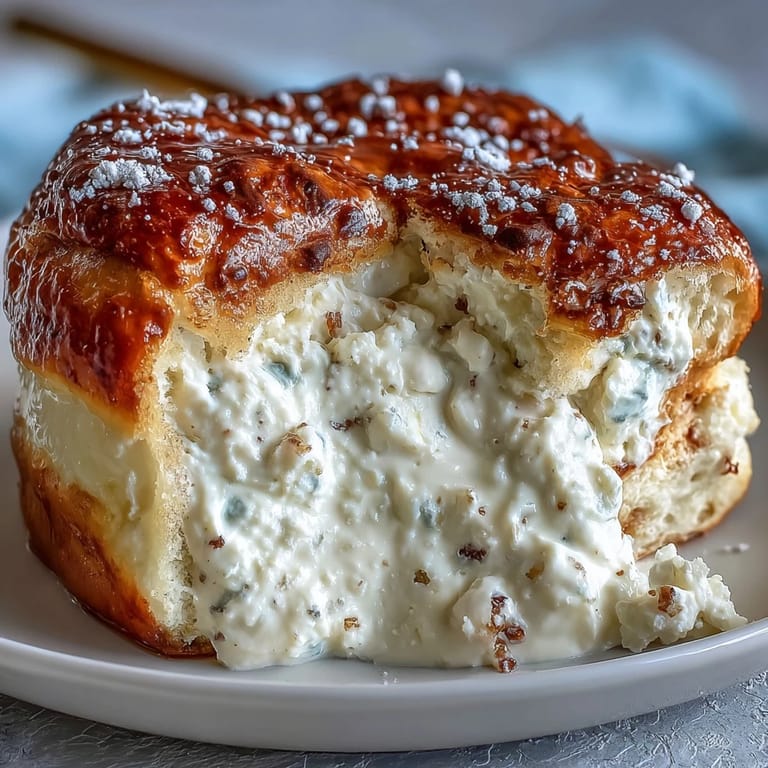
- Let it cool completely on a wire rack, then refrigerate for at least 2 hours—this helps it set up and makes slicing clean and beautiful. The pie actually tastes better cold anyway, with the flavors more pronounced.
- Finish and serve:
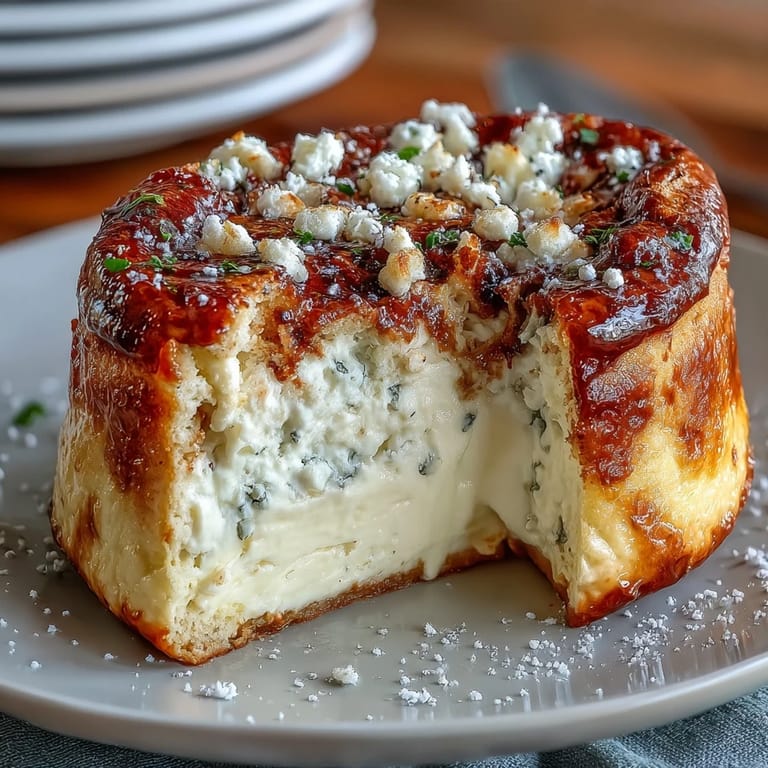
- Dust generously with powdered sugar just before serving, so it stays white and looks like a little Easter gift on each plate.
 Save to Pinterest
 The first time someone told me this pie tasted like their grandmother's kitchen, I understood why my nonna made it every single Easter. There's something about ricotta and lemon that reaches past fancy techniques and speaks directly to memory and comfort.
The Lemon Question
I've experimented with adding orange zest alongside the lemon, which gives the pie a more floral, rounded citrus note instead of pure brightness. It's lovely if you want something a bit softer, but honestly, the pure lemon version is what keeps people coming back. Some bakers worry about using too much zest, but I promise that two lemons worth is exactly right—it brightens without making the pie taste like dessert cleanser.
Why This Pie Works for Spring Celebrations
There's something about the tender pastry and creamy filling that feels both elegant and approachable, which is exactly what Easter meals need. You can make it hours ahead, it travels well if you need to bring it somewhere, and it looks stunning when you dust it with powdered sugar. Unlike heavier chocolate or cream desserts, this one doesn't leave you feeling sluggish after a big meal—instead, it tastes like renewal and warm weather.
Making It Your Own
This recipe is flexible enough that you can play with it once you've made it once. Some people add a touch of almond extract to the filling, others garnish with fresh berries on top, and a few adventurous souls have told me they brushed the baked crust with a thin lemon glaze. The foundation is strong enough that it welcomes your creativity without falling apart.
- If you want a nutty flavor, try adding a tablespoon of ground almonds to the filling.
- Fresh raspberries or strawberries scattered on top look festive and add a little tartness that complements the pie perfectly.
- Make sure your ricotta is at room temperature before mixing so it blends smoothly and the filling bakes evenly.
 Save to Pinterest
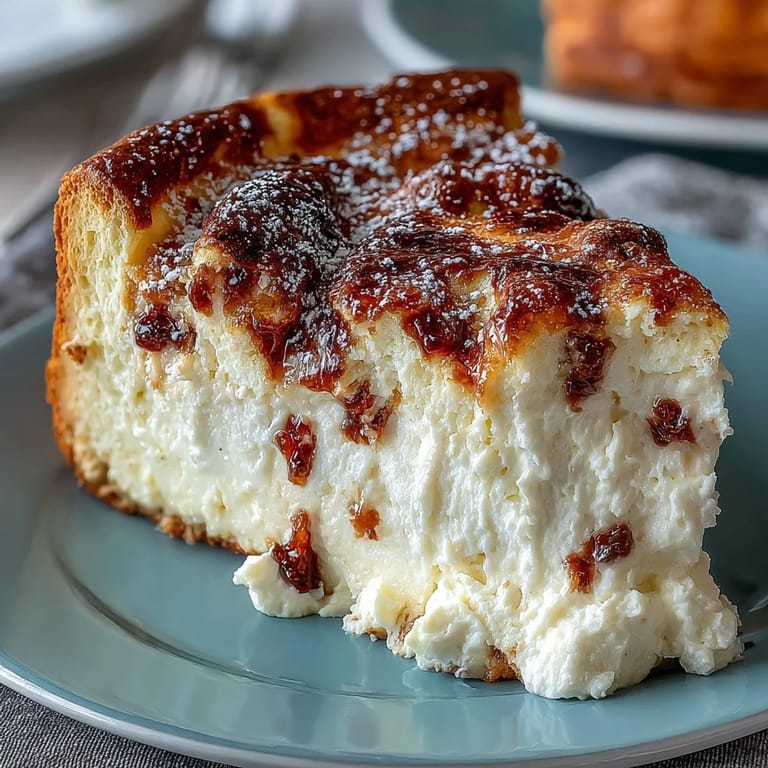
 This pie reminds me why Easter traditions exist—not because we have to, but because making something this beautiful and delicious for the people we love feels like the whole point of having a kitchen. Serve it cold, watch people's faces light up when they taste that first bite of tender pastry and bright, creamy filling, and you'll understand why my nonna never missed a year.
Recipe Questions & Answers
- → What type of ricotta is best for this pie?
Use whole milk ricotta that is well drained to ensure a creamy, smooth filling without excess moisture.
- → Can I use other citrus zest instead of lemon?
Yes, orange zest or a mix of citrus works well to add a different bright flavor to the filling.
- → How can I prevent the crust from becoming soggy?
Chill the dough thoroughly before baking and prick the base to avoid air bubbles and sogginess.
- → Is it necessary to chill the pie before serving?
Chilling for at least two hours helps the filling to set properly and enhances the flavors.
- → Can this be made gluten-free?
Yes, substitute the all-purpose flour with a gluten-free flour blend suitable for pastries.