 Save to Pinterest
 Steam swirled up from my stovetop as piloncillo dissolved slowly in water, bringing an irresistible sweet aroma that mingled with cinnamon and cloves. I hadn't planned on making capirotada that afternoon—there was just leftover bread, a sense of restlessness, and the promise of something cozy. The first time I layered the syrup-soaked rounds with cheese, my kitchen filled with anticipation, like a gentle hush before a story unfolds. Each component seemed so simple yet together, they created an inviting warmth that made me pause, eager for the dish to emerge from the oven. It's a recipe that rewards you whether you're chasing nostalgia or simply searching for comfort.
Once, I served capirotada after a brisk walk in early spring to friends who weren’t familiar with its roots, and their surprised delight made the evening. Watching them take their first bite—eyes widening, hands reaching for seconds—I realized how food builds bridges without needing translation. It was a moment marked by laughter and requests for the recipe scribbled on napkins. My biggest worry was whether they’d like the cheese in a dessert, but it became the bit everyone talked about afterward. Now, I always tuck a little extra cheese between the layers just for good measure.
Ingredients
- Bread: Day-old bolillo, baguette, or French bread adds texture and absorbs syrup without going mushy. I learned that sturdy bread gives structure.
- Piloncillo: This Mexican cane sugar is non-negotiable for its depth—but dark brown sugar will suffice when piloncillo runs out.
- Cinnamon Sticks: Fresh cinnamon infuses the syrup, and I always sneak in an extra stick for vivid flavor.
- Raisins: Plump raisins swell up with syrup, providing bursts of chewy sweetness—don’t skip them, even if substituting other dried fruit.
- Cheese: Mild cheeses melt luxuriously, and if you like a salty contrast, try Cotija or queso añejo for tradition.
- Nuts: Pecans or peanuts add crunch; I only discovered the joy of nuts in capirotada after an impromptu experiment one year.
- Butter: Both for the syrup and greasing the dish, a little butter makes everything silky and aromatic.
Tired of Takeout? 🥡
Get 10 meals you can make faster than delivery arrives. Seriously.
One email. No spam. Unsubscribe anytime.
Instructions
- Get the Oven Ready:
- Turn the oven to 350°F (175°C) and swipe some butter around your baking dish. The sizzle and gleam always signal the start of something good.
- Toast the Bread:
- Lay sliced bread on a baking sheet, flip halfway through, and toast until golden and dry. I usually hover nearby, savoring the smell and watching for that perfect color.
- Simmer the Syrup:
- Combine piloncillo, water, cinnamon, and cloves in a saucepan, stirring as it bubbles and thickens to a silky syrup. Butter goes in last, making the syrup shiny and aromatic; discard the spices before pouring.
- Layer and Build:
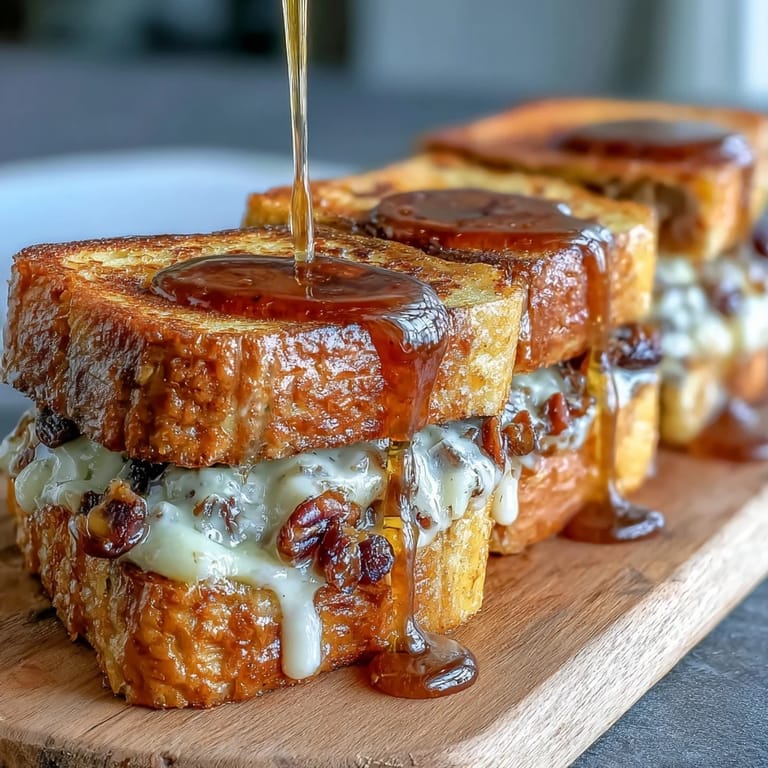
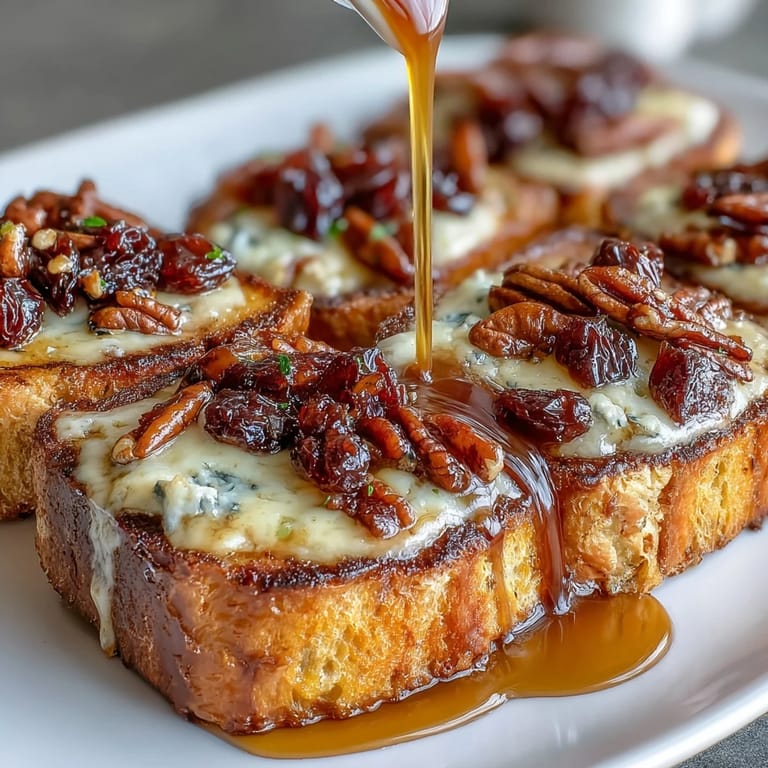
- Arrange half of the toasted bread in your buttered dish, scatter with half the raisins, cheese, and nuts, then drizzle half the syrup over. It feels almost ceremonial—each layer brings its own promise.
- Finish Layering:
- Repeat with the second round of bread, fillings, and syrup, then gently press down so the bread is drenched but still holds its shape.
- Bake Covered, Then Uncovered:
- Cover with foil and bake for 20 minutes, then remove the foil for a final 10 minutes until the cheese melts and the top turns golden. The kitchen fills with a sweet, spicy aroma that makes waiting hard.
- Let It Rest and Serve:
- Allow to cool for 10 minutes—the hardest step, but the pudding sets and flavors mingle. Serve warm or at room temperature, savoring every spoonful.
 Save to Pinterest
 One Sunday, capirotada turned into more than just dessert when a cousin stopped by unexpectedly—her visit became an impromptu celebration, the sweet scent drawing her from the doorway into the kitchen. We stood over the baking dish, spooning warm puddings into bowls, swapping stories between bites, and the capirotada seemed to deepen both the flavors and our connection. I’m convinced that the best moments are shaped in these casual, unexpected gatherings. Now, whenever I bake it, I think of how a simple dish can spark joyful conversation. There’s always one bowl left for someone who might drop in.
Layering Magic: Why It Matters
I used to rush the layering process, but now I take extra time to soak each piece of bread without flooding. The contrast between crunchy edges and syrupy centers is what makes every bite memorable. If you press too hard, you risk losing the delicate crumb, so I use a gentle touch with a spatula. Experiment with your filling—swap nuts, add dried apricots, or sneak in extra cheese—and adjust as you wish. The fun is in adapting the layers to your mood.
Swapping Ingredients Without Losing Tradition
Sometimes I run out of piloncillo or raisins, but improvising with brown sugar and dried cranberries keeps the spirit alive. One winter, I even used a mix of sweetened condensed milk and dark sugar syrup, and it made the pudding luxuriously creamy. The cheese can be bold or mild—use whatever’s on hand, as long as it melts well. Don’t be afraid to make it your own, but a few traditional touches, like cinnamon stick and cloves, are irreplaceable in my book.
Serving Suggestions and Last Minute Tricks
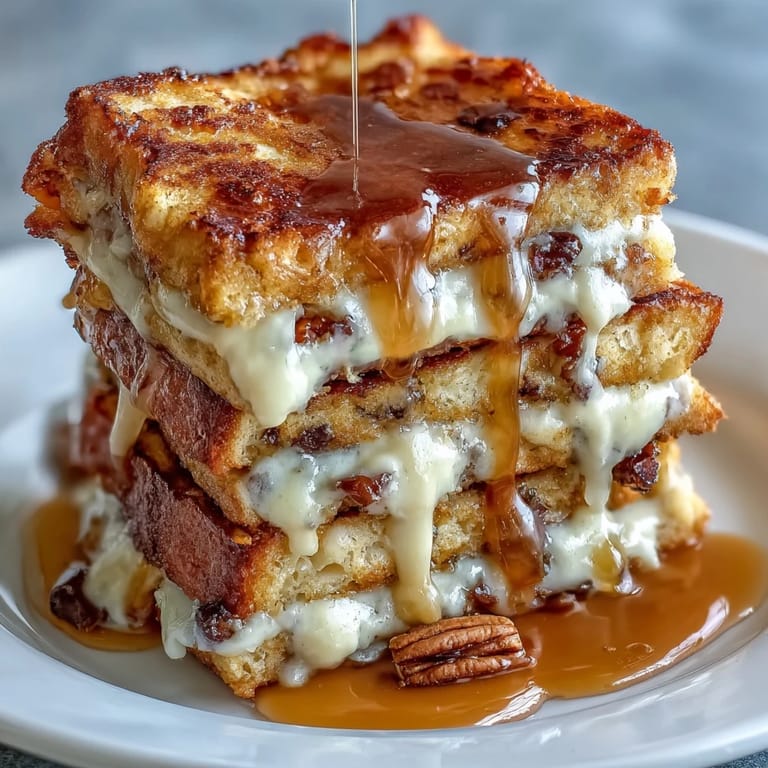
Capitrotada pairs best with coffee or hot chocolate, especially when shared after a meal. I learned that cooling it for ten minutes matters, or the pudding can be too loose. Slicing into the warm dish and seeing the cheese melt between the layers always feels like a reward for patience. It’s also delicious at room temperature or even cold, and leftovers often taste better the next day.
- Add a drizzle of condensed milk if you want extra richness.
- Let the capirotada rest before serving for cleaner slices.
- Remember, every ingredient carries a memory—use what brings you joy.
 Save to Pinterest
 Capirotada is a dish that wraps comfort around you, whether it’s a bustling holiday or a quiet weekday. Serve it to friends or strangers and let its sweetness start a fresh story with every bite.
Recipe Questions & Answers
- → What kind of bread works best?
Day-old bolillo, French bread, or baguette provides the best texture for layering and soaking up syrup.
- → Can I substitute piloncillo?
Piloncillo can be replaced with packed dark brown sugar for a similar rich sweetness and depth of flavor.
- → What cheeses are recommended?
Mild options like queso fresco, Monterey Jack, or mozzarella melt nicely; salty cheese adds a traditional touch.
- → Are there nut-free alternatives?
Omit pecans or peanuts if preferred, or substitute with chopped dried fruit for extra texture without nuts.
- → How is the syrup made?
Simmer piloncillo, water, cinnamon, and cloves to create a fragrant, sweet syrup, then strain out the spices.
- → Can it be made gluten-free?
Use gluten-free bread to ensure the dessert is suitable for those with gluten sensitivities.