 Save to Pinterest
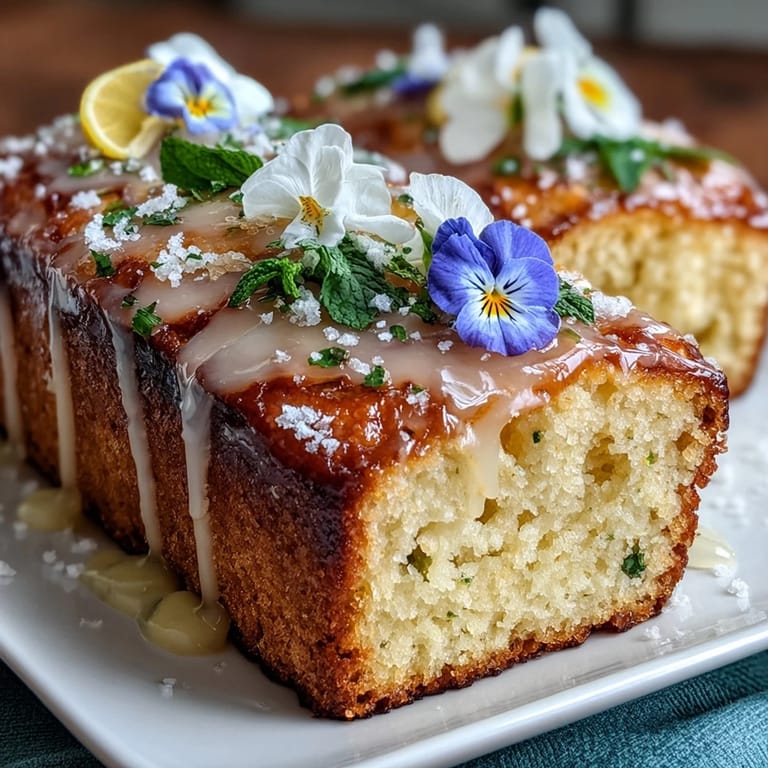
 There's something about the scent of lemon zest hitting a warm kitchen that makes you feel like you've already done something right. I discovered this cake on a rainy spring afternoon when my mum mentioned, almost casually, that she'd always wanted something bright and tangy for her birthday. The yellow crumb and those delicate flowers perched on top became my answer—a cake that tastes like sunshine in a slice.
I made this for my mum's actual celebration, and watching her eyes light up when she saw those violet petals scattered across the top was one of those small, perfect moments. She took one bite and immediately asked for seconds, which felt like the highest compliment a baker could receive.
Ingredients
- 225 g unsalted butter, softened: Use really soft butter so it creams smoothly without lumps; this makes the cake tender and helps everything combine properly.
- 225 g caster sugar: The fine crystals dissolve completely, creating that pale, fluffy mixture that's your cake's foundation.
- 4 large eggs: Add them one at a time and beat well after each one, or the batter might split and you'll lose that lovely light texture.
- 225 g self-raising flour: Fold it in gently with a spatula—overmixing toughens the cake and you don't want that.
- Zest of 2 unwaxed lemons: This is where the magic happens; the oils in the zest carry so much more flavor than juice alone.
- 2 tbsp whole milk: This keeps the batter at the right consistency and adds a subtle tenderness to every crumb.
- Pinch of salt: It enhances the lemon flavor and balances the sweetness without announcing itself.
- Juice of 2 lemons: Fresh is essential here; bottled juice won't give you that vibrant tang the drizzle needs.
- 125 g icing sugar: Mix it with the lemon juice while the cake is still warm so it penetrates deeply and sets into a gentle glaze.
- Assorted edible flowers: Violas, pansies, nasturtiums, and rose petals add color and a delicate floral note that feels special without overpowering the lemon.
Tired of Takeout? 🥡
Get 10 meals you can make faster than delivery arrives. Seriously.
One email. No spam. Unsubscribe anytime.
Instructions
- Heat your oven and prepare the tin:
- Preheat to 180°C (160°C fan) and line your loaf tin with parchment paper so the cake releases cleanly later. This simple step saves so much frustration.
- Cream the butter and sugar:
- Beat them together for about 3 minutes until the mixture is pale, fluffy, and noticeably lighter in color. You'll hear a change in the mixer's sound when it's ready.
- Introduce the eggs slowly:
- Add one egg, beat well, then add the next; rushing this step can cause the batter to curdle. Each egg should be fully incorporated before the next one goes in.
- Fold in the dry ingredients and zest:
- Use a spatula and fold gently until just combined—a few flour streaks are fine, but overworking makes the cake tough. The lemon zest disperses beautifully through the batter at this stage.
- Pour and level:
- Transfer the batter to the tin and smooth the top with a spatula so it bakes evenly. A level cake rises more uniformly.
- Bake until golden and set:
- This usually takes 40 to 45 minutes; insert a skewer into the center and it should come out clean or with just a few moist crumbs. Your kitchen will smell absolutely incredible.
- Make the drizzle while cake bakes:
- Whisk the lemon juice and icing sugar together until smooth, adjusting consistency if needed. A thicker drizzle creates more defined pockets; thinner drizzle soaks in faster.
- Pierce and drizzle while warm:
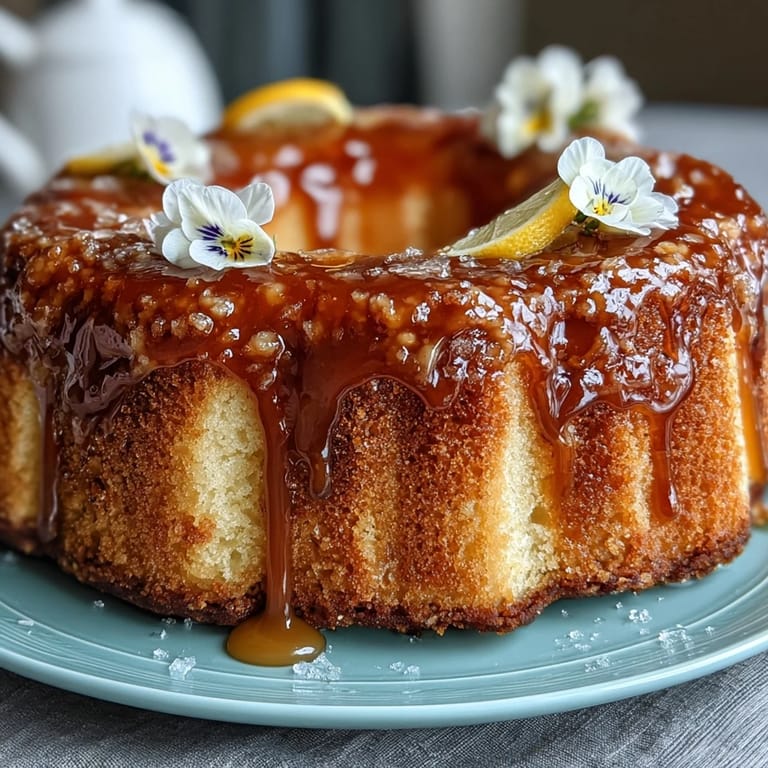
- Using a skewer, poke holes all over the warm cake, then slowly pour the drizzle over so it soaks deep into the crumb. Watch it disappear and reappear as it settles.
- Cool completely before turning out:
- Let the cake rest in the tin until it's completely cool, then gently turn it onto a serving plate. Rushing this risks breaking the delicate crumb structure.
- Decorate just before serving:
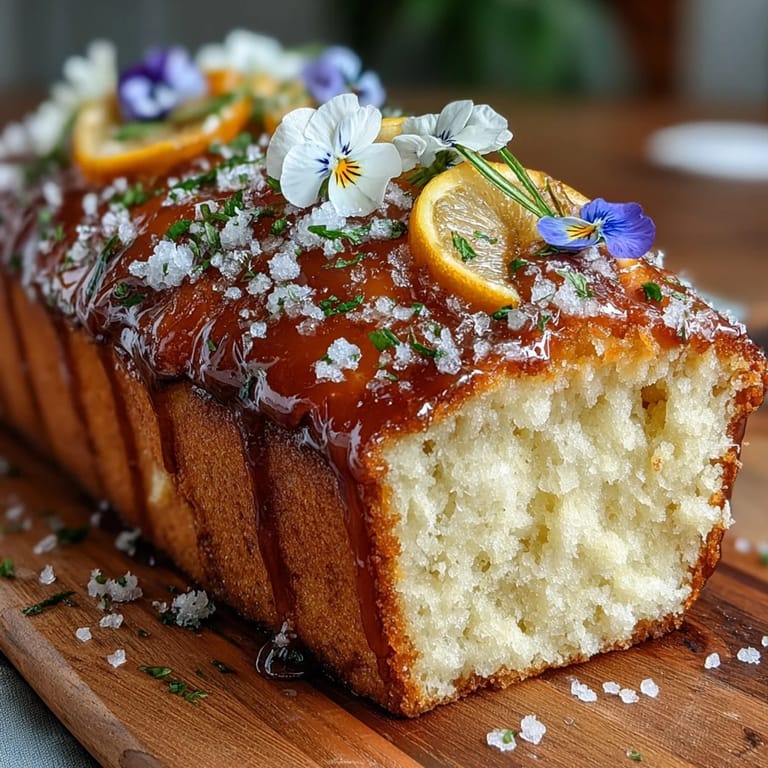
- Dust with icing sugar if you like, then arrange the edible flowers on top with a light touch. They look most beautiful when added at the last moment.
 Save to Pinterest
 The real magic of this cake is how it brings people together—something about the combination of brightness and elegance makes people feel celebrated. It's a cake that says you care without being fussy.
Why Lemon Cakes Feel Special
Lemon has this remarkable ability to lift every other flavor around it, which is why this cake works so well as a celebration dessert. It's refreshing without being heavy, and the tartness cuts through richness perfectly, leaving you wanting another slice instead of feeling overwhelmed.
The Importance of Timing and Temperature
Using room-temperature ingredients, especially butter and eggs, makes an enormous difference in how smoothly everything combines. Cold butter won't cream properly, and cold eggs can cause the batter to separate, leaving you with a dense cake instead of the light, tender crumb you're after.
Making It Your Own
While this cake is beautiful as written, it's also wonderfully forgiving of small tweaks based on what you have and what you love. Some people add a whisper of poppy seeds for texture, others infuse the milk with a touch of vanilla or lavender, and both work brilliantly.
- For extra zestiness, add an additional pinch of lemon zest directly to the icing sugar drizzle before mixing with juice.
- Serve slices with whipped cream or crème fraîche to add richness and let the lemon flavors sing even brighter.
- This cake keeps beautifully wrapped in parchment for up to three days, so you can make it the day before without any worry.
 Save to Pinterest
 This cake reminds me that the best celebrations often come from simple ingredients treated with care. Bake it, serve it, and watch someone's face light up.
Recipe Questions & Answers
- → What types of edible flowers can be used?
Suitable flowers include violas, pansies, nasturtiums, and rose petals, all safe and pesticide-free for consumption.
- → How do I ensure the drizzle soaks evenly?
Use a skewer to poke holes all over the warm cake before pouring the drizzle slowly to allow deep absorption.
- → Can I substitute self-raising flour in this bake?
Yes, gluten-free flour combined with 1 tsp baking powder works well as a substitute for self-raising flour.
- → What enhances the lemon flavor further?
Adding extra lemon zest to the drizzle boosts the brightness and zestiness of the final result.
- → How should the cake be cooled before serving?
Let it cool completely in the baking tin to set the texture and allow flavors to meld before transferring for decoration.
- → Are there allergen concerns to consider?
Yes, this includes eggs, milk, gluten, and potential flower-related sensitivities; always check for allergies prior to serving.