 Save to Pinterest
 My daughter came home from school one afternoon asking why her lunchbox always looked so boring compared to her friend's colorful bento setup. That question sent me down a rabbit hole of Pinterest boards and kitchen experiments, and somehow we landed on this fruit skewer situation that changed everything. Now she actually gets excited about lunch, and honestly, I've started making them for myself too because there's something satisfying about arranging all those bright colors into little compartments. The best part? It takes barely twenty minutes, and most of it is just playing with food.
I remember packing these for my nephew's school field trip, and his teacher actually asked for the recipe because he was the only kid who finished his entire lunch and wanted more. He spent the whole bus ride back home telling his mom about how the fruit tasted different on the skewers, like they were somehow more special. That's when I realized this isn't just a lunchbox hack—it's genuinely how you get kids to eat actual nutrition without a battle.
Ingredients
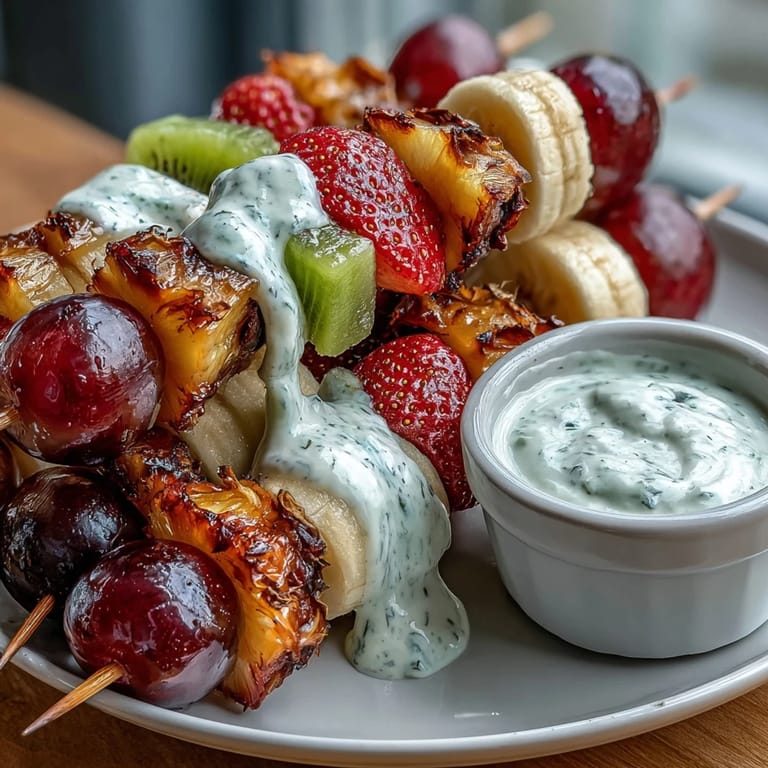
- Strawberries: Buy them a day or two before if possible so they're ripe but not mushy, and halving them makes them easier for little hands to grab without the skewer getting unwieldy.
- Seedless grapes: These are your flavor anchors because they're naturally sweet and pop beautifully between the softer fruits, creating texture contrast.
- Pineapple chunks: Fresh is infinitely better than canned here because the juice stays contained and doesn't make everything wet, though frozen works in a pinch if you thaw it completely.
- Kiwi: Slice this as close to assembly time as possible because it oxidizes quickly and those bright green slices are half the visual appeal.
- Banana: Thick slices hold up better on the skewer than thin ones, and if you're worried about browning, a squeeze of lemon juice keeps them looking fresh longer.
- Greek yogurt: The creaminess comes from the richness of Greek yogurt, which also means it's higher in protein and keeps kids satisfied longer than regular yogurt would.
- Honey or maple syrup: Either works beautifully, but maple syrup is slightly more forgiving if you're cooking for kids who like their dips on the sweeter side.
- Vanilla extract: This tiny amount somehow makes the whole dip taste like something a fancy café would serve, and kids pick up on that sophistication instantly.
- Whole wheat mini sandwich bread: These are smaller and less intimidating than full-sized slices, making the whole sandwich feel more snackable and less like a commitment.
- Cream cheese: Spread it thin so the sandwich holds together without being heavy, and it gives the whole thing a slight richness that regular bread alone would miss.
- Deli turkey or ham: Optional but adds protein, though honestly the whole box works beautifully vegetarian if that's your family's preference.
- Cucumber slices: These add a cool, crisp contrast to everything else and honestly sneak in a vegetable that tastes light and refreshing rather than like an obligation.
- Carrot sticks: Raw carrots have a satisfying crunch that keeps the eating experience interesting, and their orange color balances out all the berry tones in the box.
- Cherry tomatoes: Pop them whole or halve them depending on your kid's comfort level with chewing, and they add a tiny burst of savory-sweet that rounds out all the sweeter elements.
Tired of Takeout? 🥡
Get 10 meals you can make faster than delivery arrives. Seriously.
One email. No spam. Unsubscribe anytime.
Instructions
- Thread your fruit like you're painting with color:
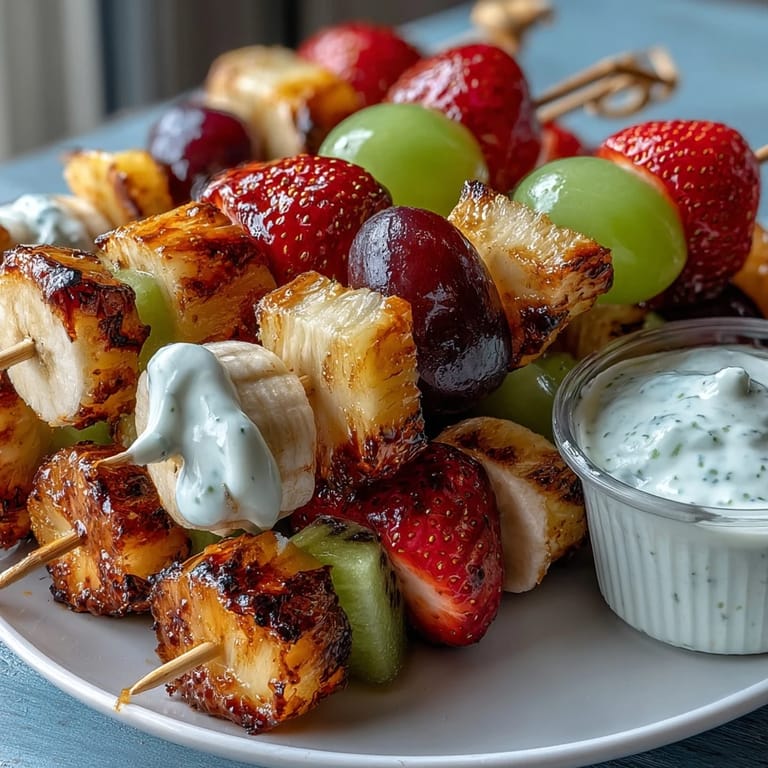
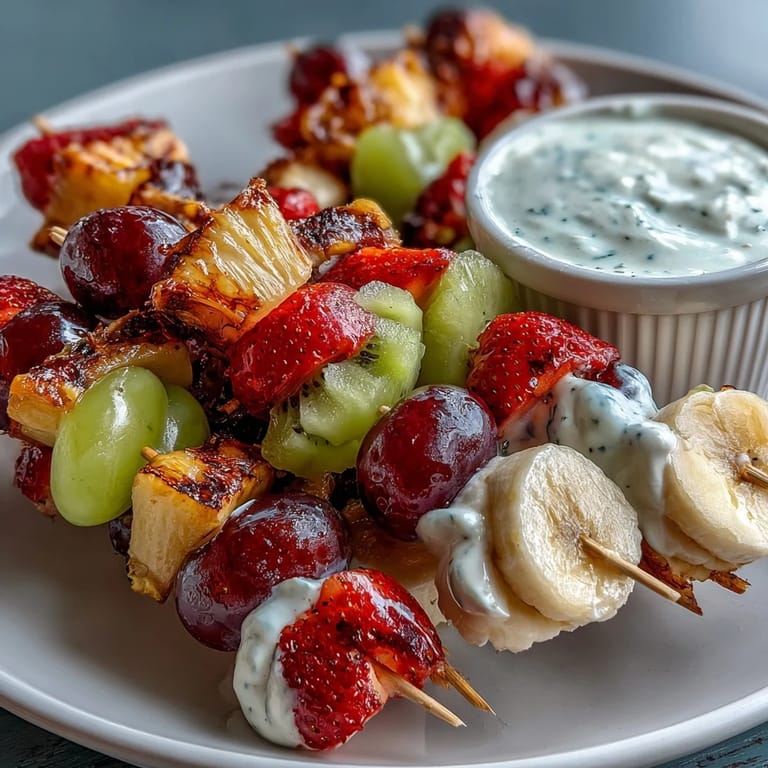
- Start at one end of the skewer and push each piece on gently, alternating between soft fruits and firmer ones so nothing slides around or crushes. The visual rhythm matters here—your eyes should travel along the stick and see a rainbow, not a random pile.
- Whisk that dip until it's cloud-like:
- Mix the yogurt, sweetener, and vanilla together until everything is smooth and uniform, then taste it because this is where you adjust if you want it sweeter or slightly tangier. A good dip should feel luxurious enough that kids don't even realize they're eating probiotics.
- Build those tiny sandwiches like you're creating edible architecture:
- Spread the cream cheese thin on the bread, layer in your fillings so nothing is overstuffed, then cut with cookie cutters if you're feeling fancy because shapes genuinely matter to children's enthusiasm levels. Even just cutting them diagonally elevates the whole situation.
- Arrange everything in its own little home:
- Think of the bento box like a puzzle where each compartment gets its own ingredient so flavors stay distinct and everything looks intentional rather than thrown together. Leave a little space between items so kids can see all their options without everything touching and mixing.
- Chill before packing if you have time:
- Even twenty minutes in the fridge keeps everything crisp and helps the flavors settle, though if you're in a morning rush this step is honestly optional.
 Save to Pinterest
 I watched my son sit down with one of these boxes at the park last summer, and instead of rushing through it, he actually paused to show a stranger how beautiful the colors were before eating anything. It hit me then that sometimes feeding kids well isn't just about nutrition—it's about making them feel like their lunch is worth slowing down for. That's when a bento box becomes something more than just food organization.
The Secret Power of Compartments
There's actual psychology behind why bento boxes work so well for picky eaters—when everything is separate and defined, kids get to be in control of what they eat and in what order, which somehow makes them braver about trying things. Instead of one big mixed bowl where flavors blend together unpredictably, each element gets to shine on its own terms. My daughter described it once as feeling like she had a tiny restaurant in her lap, and that shift in perspective changed everything about her willingness to eat what was packed.
Seasonal Fruit Swaps That Keep Things Interesting
The beauty of this recipe is that it works as a template rather than a rigid blueprint, so you can follow the seasons and what's actually good right now instead of forcing strawberries in December. In fall, I swap in apple slices and grapes, spring brings blueberries and melon, and summer is when you go wild with stone fruits and berries. This flexibility means your kid isn't eating the same box every single week, which keeps their interest alive and also means you're buying produce at its peak ripeness and best price.
Making It Feel Special Every Single Time
The real trick to keeping kids excited about packed lunches is treating assembly like it matters, even when you're rushed or tired. Sometimes I put on music, sometimes I let them help choose which fruit goes on which skewer, and sometimes I surprise them by cutting the sandwich into a star shape instead of the usual triangle. These tiny variations make the whole experience feel intentional rather than like they're eating yesterday's leftovers in a new container.
- Let kids pick their own fruit combinations sometimes because ownership makes them infinitely more likely to actually eat what they assembled.
- Keep the dip in a separate sealed container so the skewers don't get soggy if lunch isn't eaten right away.
- Pack everything in a real bento box rather than a regular lunch container because the compartments genuinely make a difference in how fresh things stay and how the whole thing feels to open.
 Save to Pinterest
 These bento boxes have somehow become my secret weapon for turning an ordinary Tuesday lunch into something that feels thoughtful and intentional. There's something deeply satisfying about knowing your kid is eating actual nutrition wrapped in a presentation that makes them smile.
Recipe Questions & Answers
- → What fruits work well for the skewers?
Strawberries, seedless grapes, pineapple chunks, kiwi slices, and banana pieces create a colorful and tasty mix, but apples, melons, or blueberries can also be used.
- → How can I make the yogurt dip dairy-free?
Substitute plain Greek yogurt with a dairy-free alternative like coconut or almond yogurt, then mix in honey and vanilla extract as usual.
- → What are some ideas for the sandwich fillings?
Mini sandwiches can include cream cheese with sliced turkey or ham, or be kept vegetarian with cucumber slices and cream cheese or other spreads.
- → How to keep the lunchbox fresh until mealtime?
Use separate compartments for wet and dry items, chill the lunchbox before packing, and include an ice pack to maintain freshness.
- → Can kids help assemble the lunch components?
Absolutely! Kids can thread fruit onto skewers, spread cream cheese, and help arrange the box, making lunchtime more engaging and fun.